Hortiflorexpo IPM Beijing 2026 Post-Show Report
Hortiflorexpo IPM Beijing 2026 was successfully held at the China International Exhibition Center (Shunyi Hall) in Beijing from April 10 to 12, 2026. Hosted by the China Flower Association, supported by the Beijing Flower Association, co-organized by Great Wall International Exhibition Co., Ltd. and Shanghai Intex Exhibition Co., Ltd., with Essen Exhibition GmbH as the international partner.
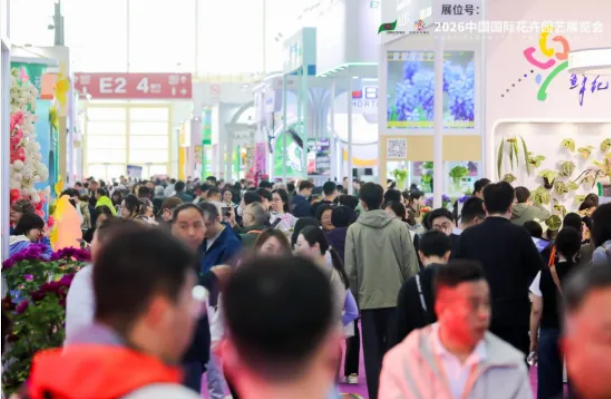
Covering a total gross area of approximately 40,000 square meters, the show gathered nearly 700 enterprises and organizations from more than 20 countries and regions including China, the Netherlands, Germany, France, Lithuania, India, North Korea, and Thailand. It attracted over 90,000 visitors, continuously enhancing the exhibition’s international level and industrial brand influence.
Highlight 1: Rise of New Varieties — "China-Origin Breeds" Accelerate Breakthroughs
The New Variety Exhibition Zone showcased nearly 300 flower varieties including cut flowers, potted flowers, and garden plants. Among them, domestically bred potted flowers accounted for about 30%, and domestically bred cut flowers exceeded 40%, demonstrating China’s innovation strength in flower breeding.
Domestic breeding enterprises delivered outstanding performances. The hydrangea variety ‘Boda Blue’ cultivated by Kunming Yang Rose occupies more than 60% of China’s domestic cut hydrangea market share. In addition, new varieties such as ‘Snow White’ have become new market favorites with fresh color matching. The cut tree peony WD-1 and cut herbaceous peony ‘Miss America’ developed by Cunlei Horticulture are trendsetters in the fresh flower market, seizing the booming development opportunity of cut herbaceous peonies. The self-bred hydrangea ‘Floral Skirt’ developed by Binfen Horticulture has become an industry highlight by integrating the color advantages of Japanese hydrangeas and the upright growth advantages of European hydrangeas, while the cyclamen ‘Wind Chime Fairy’ has gained fame in the international market and secured overseas orders. The self-bred caladiums exhibited by Qingzhou Qianhui Bonsai & Seedling Cooperative and Shanghai Flower Group are priced at thousands or even tens of thousands of RMB per plant, pioneering domestic breeding efforts to catch up with international horticultural popular varieties.
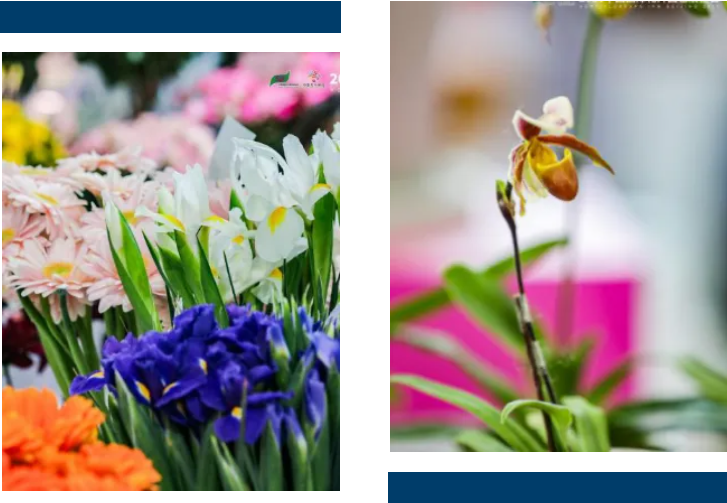
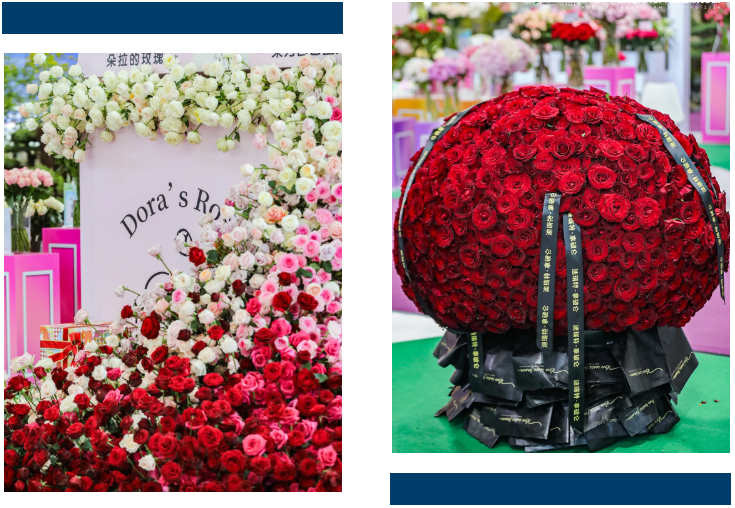
Internet-famous New Varieties Attract Wide Attention. The new variety exhibition area featured a number of viral flower varieties. For instance, the rose ‘Baohua’ bred by the Flower Research Institute of Yunnan Academy of Agricultural Sciences went viral online. Netizens left comments such as "I call it Uncle Liu Baohua Rose after my second uncle Liu Baohua", gaining more than 240,000 likes. Researcher Cai Yanfei from the breeding team stated that the name "Baohua" echoes the traditional Chinese cultural phrase "abundant natural treasures and outstanding people", hence the official naming. Another internet-famous variety is the slipper orchid officially registered as ‘Peanut’ Orchid, also known as "Fried Peanut with Yellow Cap" developed by Lvyuan Horticulture in Qianxinan. It gained massive online popularity due to contrasting netizen comments. This exhibition allowed visitors to see and experience the flower varieties they named online face to face, building a strong connection between flower breeding and the general public.
International breeding giants competed on the same stage. De Ruiter created an oversized bouquet with 999 stems of its new red rose ‘Napoleon’. Selecta showcased spring flower gift sets with multiple varieties. Dümmen Orange presented new pelargonium varieties. Anthura launched miniature anthurium and phalaenopsis new varieties. International breeders including German Sileta, American Terra Nova and Japanese Sakata brought new varieties and innovative exhibition methods to the domestic market.
From blind introduction and planting to independent breeding, this expo clearly demonstrates that China’s flower industry is reducing reliance on foreign varieties and accelerating the integrated development of breeding, propagation and promotion.
Highlight 2: Trendy Plants Go Viral — Top Traffic Attraction
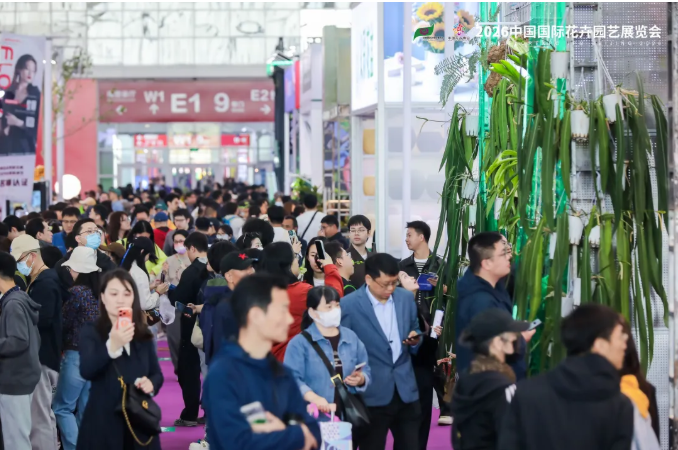
Trendy plants became a major focus, with the E1 Hall Trendy Plant Zone drawing large crowds and becoming a popular check-in spot for young visitors.
In cooperation with the Thailand Pavilion, the show launched a large-scale trendy plant exhibition in North China. Dozens of trendy plant enterprises from Thailand, Malaysia, and China presented variegated monstera, caladium, platycerium, philodendron, anthurium, and more.
With high appearance value and emotional value, trendy plants expanded from niche circles to the mass consumer market, becoming one of the most popular on-site retail areas.
Highlight 3: High-Energy On-Site Engagement — Online Inspiration & Offline Traffic Synergy
The exhibition launched an e-commerce empowerment model: Traffic Platform + Sharing Forum + Scenario-Based Content, integrating online traffic with offline hot topics and scenario displays for efficient online-offline interaction.
Three major platforms — Douyin, Xiaohongshu, and JD.com — participated with dedicated hashtags. The organizer captured online traffic via pre-show promotion and on-site influencer tours, and attracted offline visitors through forums, scenario displays, and check-in gifts.
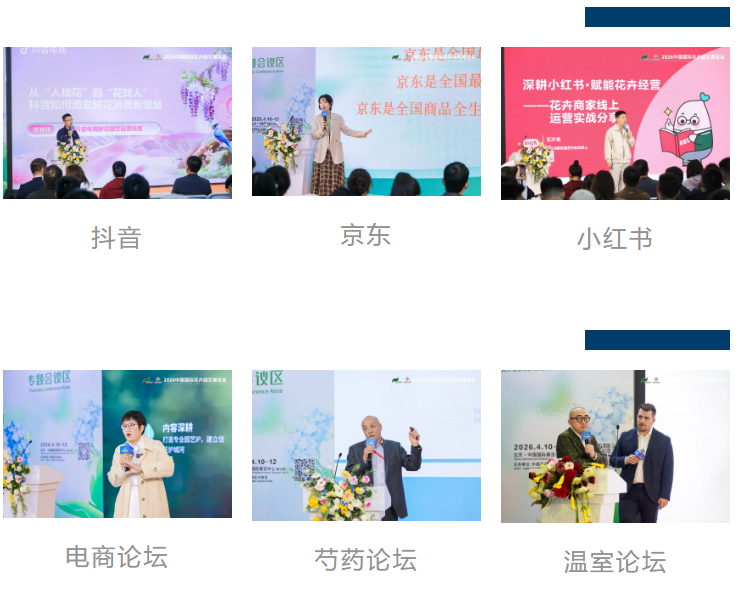
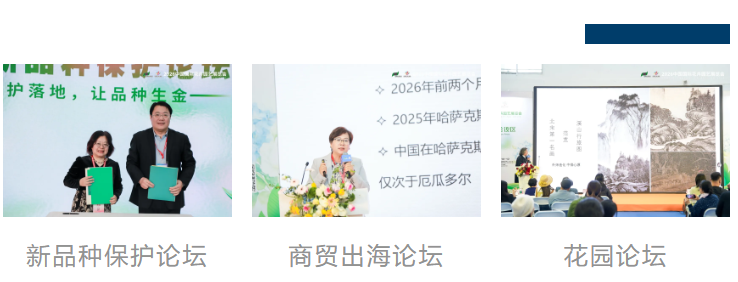
Heads of the horticulture and flower sectors from Douyin, Xiaohongshu and JD.com, together with founders of leading brands including Hai Ma (Founder of Haidi’s Garden) and Xiao Wuge (Founder of An & Lei), gathered to discuss new growth paths for the flower and horticulture industry. Focusing on the booming cut herbaceous peony market, Professor Yu Xiaonan from Beijing Forestry University, General Manager Zhao Wenshuang from Shengshi Shaohua, and General Manager Daan Kneeppers from Dutch Green Works analyzed domestic and foreign herbaceous peony varieties. Chairman Chen Rufang from Biyuni Peony Farm shared practical planting technologies. In-depth sharing sessions on post-harvest preservation and import & export trade were also held, connecting variety innovation with product circulation. In addition, representatives from the International Union for the Protection of New Varieties of Plants and the Variety Protection Office of the Ministry of Agriculture and Rural Affairs interpreted the latest variety protection trends. Representatives from Yunnan Huahong, Yunxuan Technology and Chengdu Chuanpa Wushu shared the overseas export experience of Chinese flowers in European, Russian and Belt and Road countries. Experts and representatives from Jingpeng, Qishi and Senwensen participated in greenhouse technology forums, together with the China-Netherlands Modern Protected Horticulture Technology Application Seminar. The practical insights from multiple professional forums complemented the scenario-based exhibitions of participating enterprises.
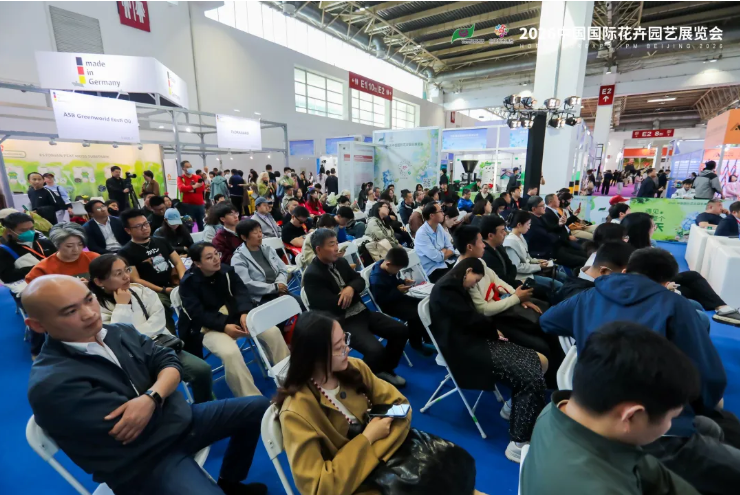
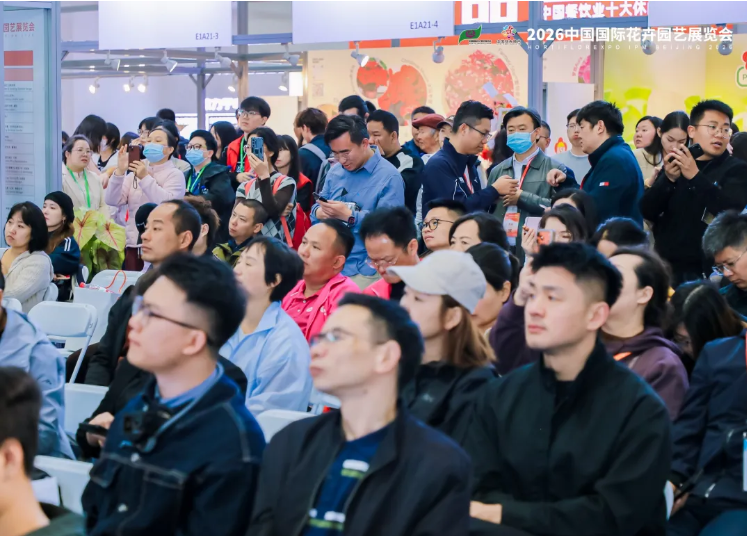
In response to the booming garden consumption trend, the expo held a forum on garden construction and plant configuration, explaining garden design and plant maintenance characteristics adapted to northern China’s climatic conditions. Meanwhile, two themed gardens and one flower border garden were displayed on-site, presenting oriental garden landscapes, children’s paradise themes and practical flower border application scenarios. The immersive displays allowed visitors to experience the charm of horticulture firsthand and became popular photo check-in spots at the venue.
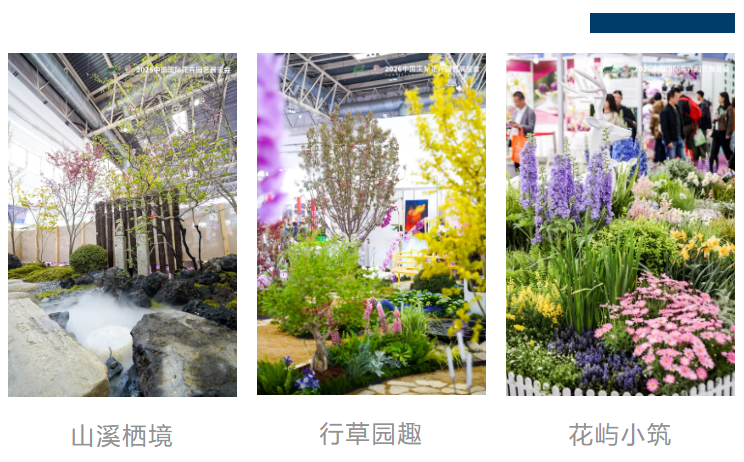
Highlight 4: International Floral Designers Compete — Structural Art & Oriental Aesthetics
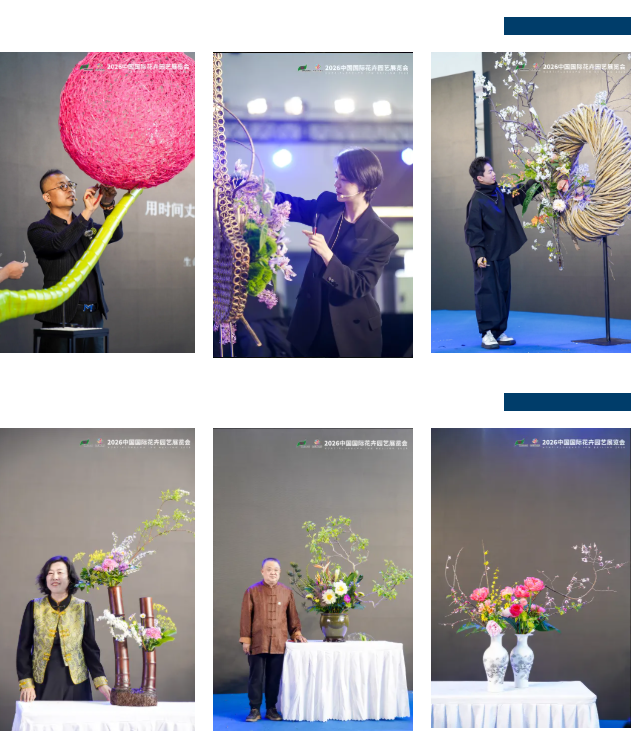
Led by world-renowned Norwegian floral designer Stein Are Hansen (2010 Interflora World Cup Champion, Nobel Peace Prize Ceremony designer), more than 20 floral artists presented spectacular shows of structural floral art, traditional Chinese flower arrangement, and modern floral installations.
Hansen’s Nordic-style naturalistic works impressed audiences with light structures and stunning color matching.
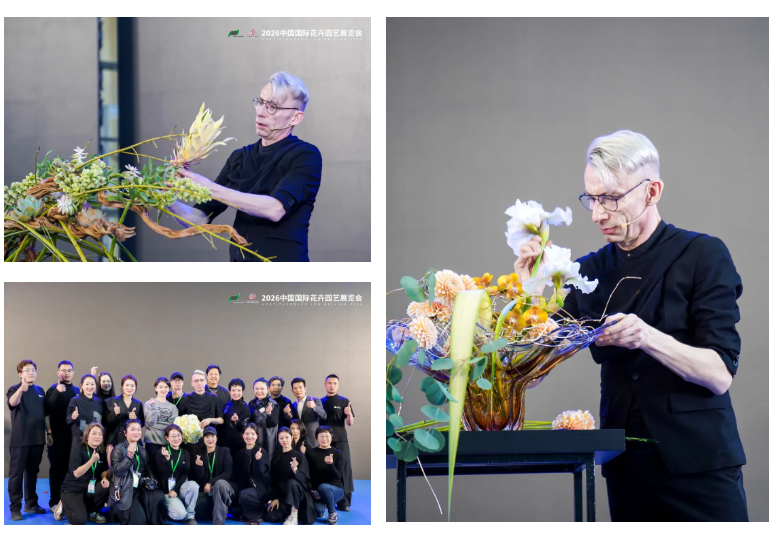
Jiang Zhiling, Xu Guodong, Liu Ying, and Liang Peng created four-season flower arrangements in window scenes.
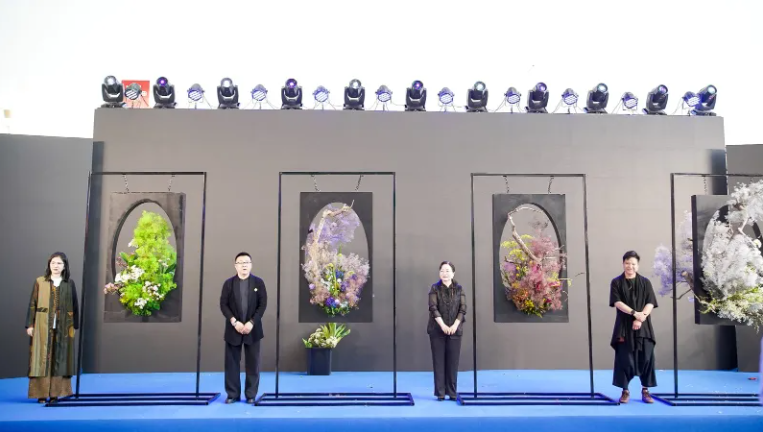
Han Xiuli, Xie Wei, Zhang Qin, and others performed traditional Chinese flower arrangement in six classic vessels.
Gao Shang, Song Huiliao, Wang Zimu, Huang Zai, and Zhao Qilin presented bold modern structural works with strong visual balance.
The expo gathered nearly 700 enterprises and institutions from more than 20 countries and regions, covering core sectors including seedlings and plants, horticultural materials and tools, as well as greenhouse facilities and construction.
Domestic exhibitors are mainly from Beijing, Shandong, Zhejiang, Guangdong, Hebei, Henan and Jiangsu. Northern Chinese exhibitors engaged in flower production and greenhouse facility businesses have geographical advantages and showed high enthusiasm for participation.
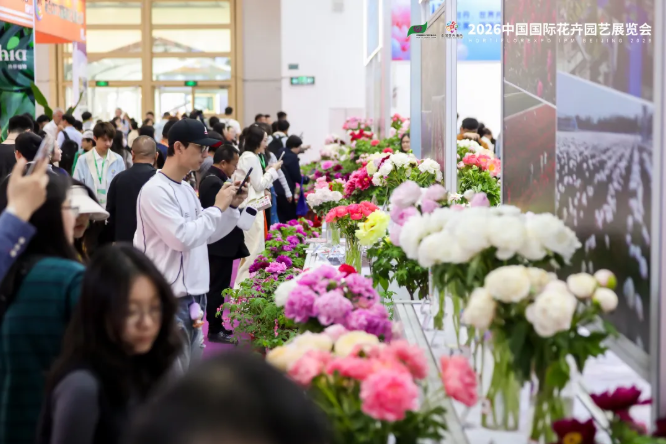
Notably, herbaceous peony exhibitors emerged as a new highlight at this expo. As a top-tier product in the cut flower market in recent years, the cut herbaceous peony industry has achieved explosive growth with an annual output of nearly 200 million stems, 60% of which are produced in Heze City. Nearly 20 Heze herbaceous peony enterprises participated in the exhibition as a group, and more than ten other enterprises participated independently. They displayed dozens of domestic and foreign herbaceous peony varieties with artificially advanced flowering, together with potted and cut tree peonies, presenting an unprecedented grand scene.
In addition, Guilin City of Guangxi and the Osmanthus Fragrans Branch of China Flower Association led more than 30 enterprises to participate in the exhibition, displaying various osmanthus potted plants, osmanthus-themed food, skin care products and cultural and creative products. Nanjing County of Fujian Province showcased representative Chinese orchids. The Hainan Provincial Forestry Bureau organized local enterprises to exhibit Hainan’s characteristic cut foliage products and tropical orchids, highlighting the industrial features of Hainan. The group exhibition of characteristic products helps enhance regional publicity, shape distinctive regional features and build industrial competitive advantages.
Among international exhibitors, the Netherlands Pavilion boasted the largest scale, with 36 enterprises occupying an exhibition area of nearly 1,000 square meters, covering plant varieties, growing medium, greenhouse facilities, consulting services and other categories. In addition, the Germany Pavilion and IPM Pavilion attracted exhibitors from Germany, India, the DPRK, France and other countries, injecting fresh international vitality into the expo.
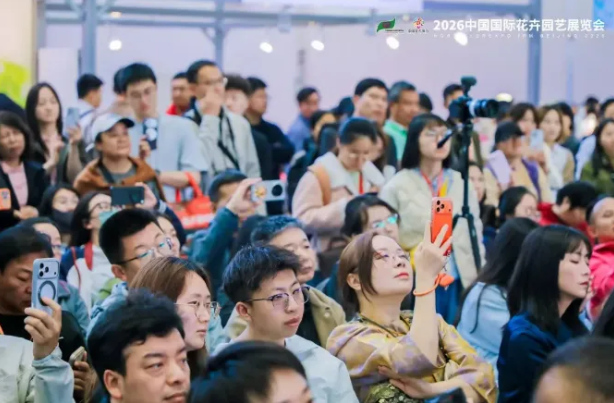
The expo received extensive coverage from mainstream media including CCTV News, Xinhua News Agency, People’s Daily and Farmers’ Daily. Exclusive themed topics were launched on Douyin and Xiaohongshu, achieving an estimated online exposure of over 60 million views. The on-site visitor volume reached nearly 90,000 person-times, with professional visitors accounting for more than 60% of the total.
In terms of domestic visitors, the majority came from Beijing, Hebei, Shandong, Anhui, Heilongjiang, Liaoning, Jiangsu and Hong Kong, China. In addition to the geographical advantage of the Beijing-Tianjin-Hebei region, Shandong and Jiangsu, as major flower and horticultural material production bases, attracted a large number of professional visitors seeking business opportunities. Visitors from Liaoning, Heilongjiang and Hong Kong, China were mainly professional purchasers.
Overseas visitors came from 68 countries and regions, with the largest groups from the Netherlands, Afghanistan, Russia, South Korea, Brazil and Japan. The number of overseas visitors from Southeast Asia and Central Asia increased compared with the previous session, in line with the growth of China’s flower export volume in recent years, especially the substantial increase in re-export trade to Middle Eastern countries and Russia via Kazakhstan.
According to visitor questionnaire surveys, visitors showed the highest attention to plants, horticultural materials and floral art products. Flowering plants, green foliage plants, cut flowers and bulbous plants were the most popular categories. In addition, consumer-oriented products including outdoor garden plants, garden decorations, horticultural tools, flower pots, growing medium and flower crafts gained increasing attention, driven by the continuous development of the home gardening market.
Procurement was the primary purpose of visitor attendance. Meanwhile, many professional visitors also had demands for information exchange, data collection and business cooperation. Therefore, peer invitations and official information releases were the main channels for professional visitors to obtain exhibition information.
With over two decades of development, Hortiflorexpo IPM Beijing has grown into a prestigious influential flower and horticulture exhibition brand in Asia. This expo fully demonstrated the fruitful achievements of the industry’s upgrading from traditional planting to smart agriculture and from single-variety supply to full industrial chain development. It also injected strong new momentum into industrial development from four dimensions: variety innovation, scenario-based consumption, digital circulation and global market expansion.
As young consumers become the main force of home gardening, consumer demands are shifting from single product purchase to "life scenario solution" customization. By launching real garden and flower border displays, trendy tropical houseplant exhibitions and in-depth cooperation with e-commerce platforms, the expo accurately responded to this industry trend and provided replicable practical experience for future industrial growth.
The expo attached great importance to intellectual property protection. Before the opening, the official formulated and strictly implemented the2026 Hortiflorexpo IPM Beijing Intellectual Property Protection Plan. The organizing team conducted publicity and education on intellectual property laws and regulations for all exhibitors to enhance their protection awareness. Relevant intellectual property protection clauses were specified in exhibition contracts, and Intellectual Property Protection Notices were issued to help exhibitors assess risks and protect their intellectual property rights during the exhibition. An on-site intellectual property protection office was set up, together with a professional forum on flower intellectual property rights, inviting industry and administrative experts to share professional knowledge and popularize relevant policies.
In terms of energy conservation and emission reduction, recyclable construction materials were adopted for on-site booth building, with strict environmental protection requirements for all on-site construction and materials. Non-degradable plastic bags were prohibited at the venue. The organizer’s promotional bags were made of environmentally friendly paper, and degradable plastic bags were provided for visitor use.
In April 2026, this grand horticultural event gathered cutting-edge global varieties and technologies, built a bridge for resource docking across the entire industrial chain, and provided participants with exclusive opportunities to insight into industry trends, connect industrial resources and upgrade professional technologies. We look forward to the next session and a new journey for the flower and horticulture industry!
Hortiflorexpo IPM Beijing 2026
May 2026
【Previous】:No more
【Next】:Hortiflorexpo IPM Beijing 2026: Premium New Floral Varieties Steal the Spotlight
Member Services
FAST ACCESS
Hot News
- 1 The 20th Hortiflorexpo IPM Beijing Exhibitor List
- 2 The 20th Hortiflorexpo IPM Beijing Exhibitor Fringe Programs
- 3 Dr. Huang Rui-qing, President of Beijing Rui Xue Global Co., Ltd. Attended the Activities during the Visit of King of Netherlands to China
- 4 The 20th Hortiflorexpo IPM Beijing Exhibitor List
- 5 Post-show Report of the 20th Hortiflorexpo IPM Beijing
- 6 Hortiflorexpo IPM Beijing 2026 Post-Show Report
- 7 Final Report of 2016 Hortiflorexpo IPM BEIJING
- 8 Flower Market: The Callback of Main Data Shows Obvious Trend of Transfer in Industry
- 9 Invest 3 Days for a Year's Worth of Returns—Mark Your Calendars for Hortiflorexpo IPM Beijing 2026!
- 10 COFCO Wisdom Farm Created by Science & Technology of Beijing IEDA Protected Horticulture Co., Ltd. (W1C50)
Previous Reports
 Final Report of 2016 Hortiflorexpo IPM BEIJING
Hortiflorexpo IPM Beijing 2026 Member Services
April,10-12,2026 China International Center (Shunyi Hall)Beijing China
Copyright © 2008-2026 GIE All Rights Reserved 京ICP备05009239号-7
 京公网安备 11010202007640号